Polski
 Cesky
Cesky
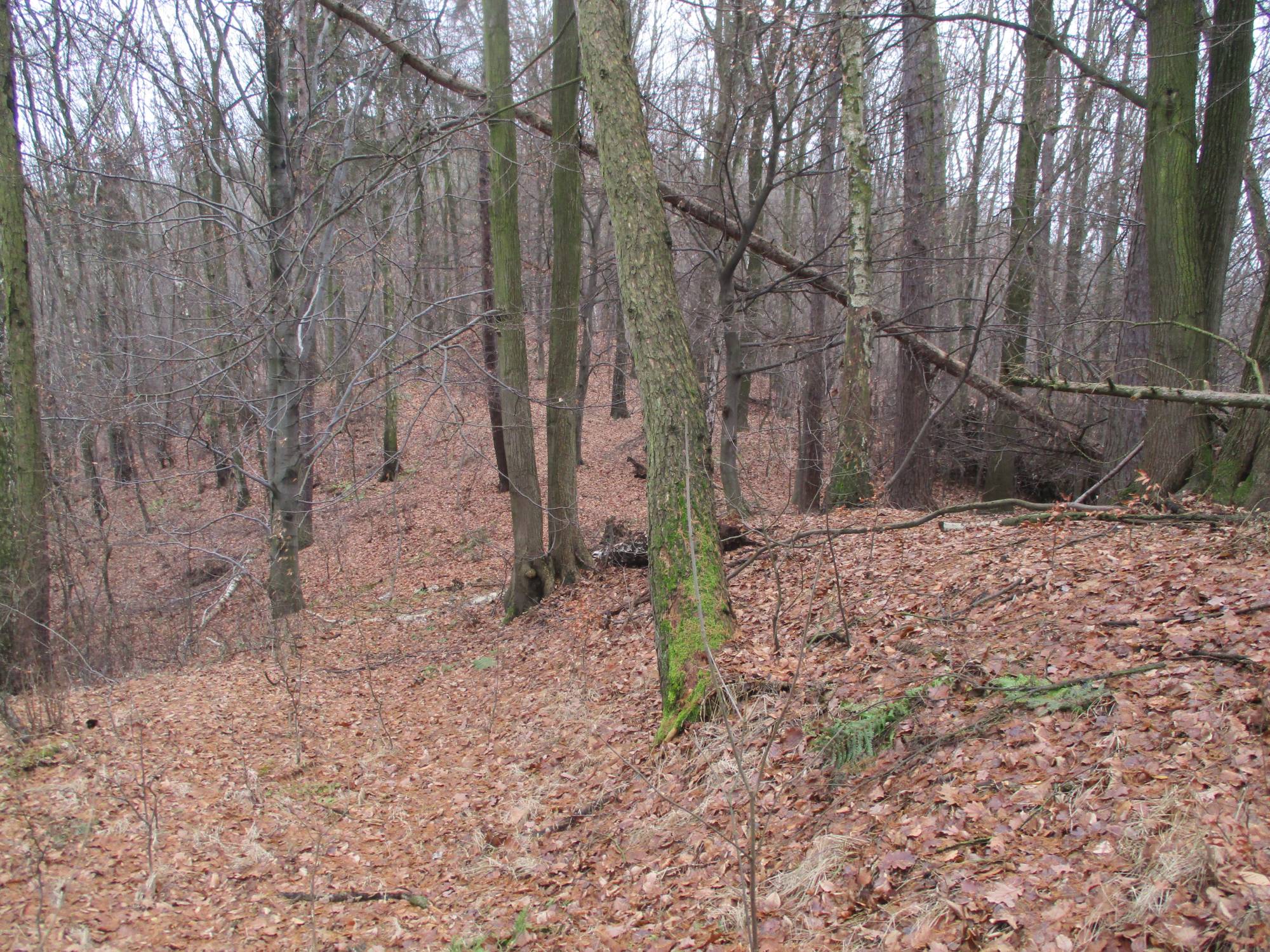
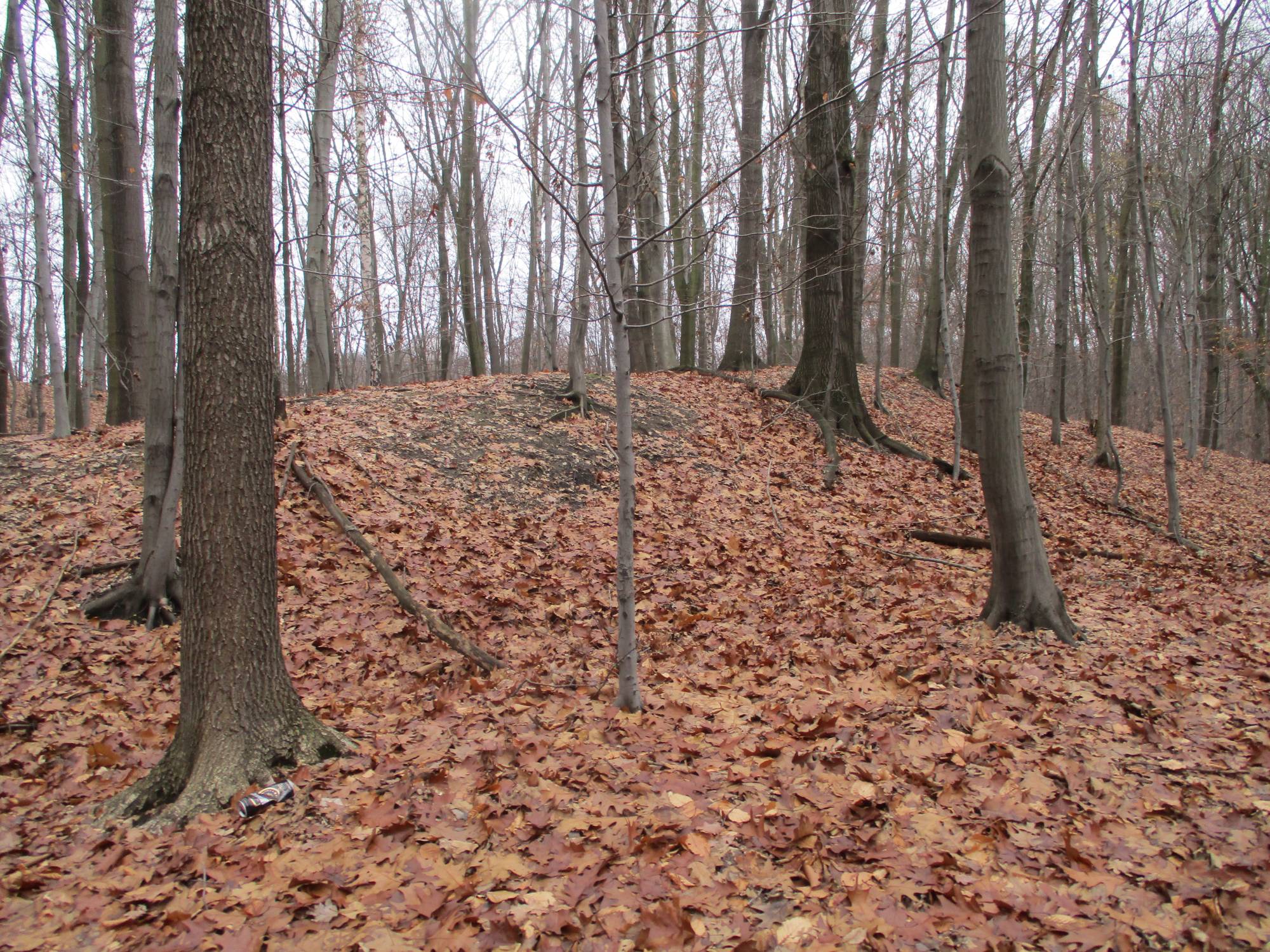
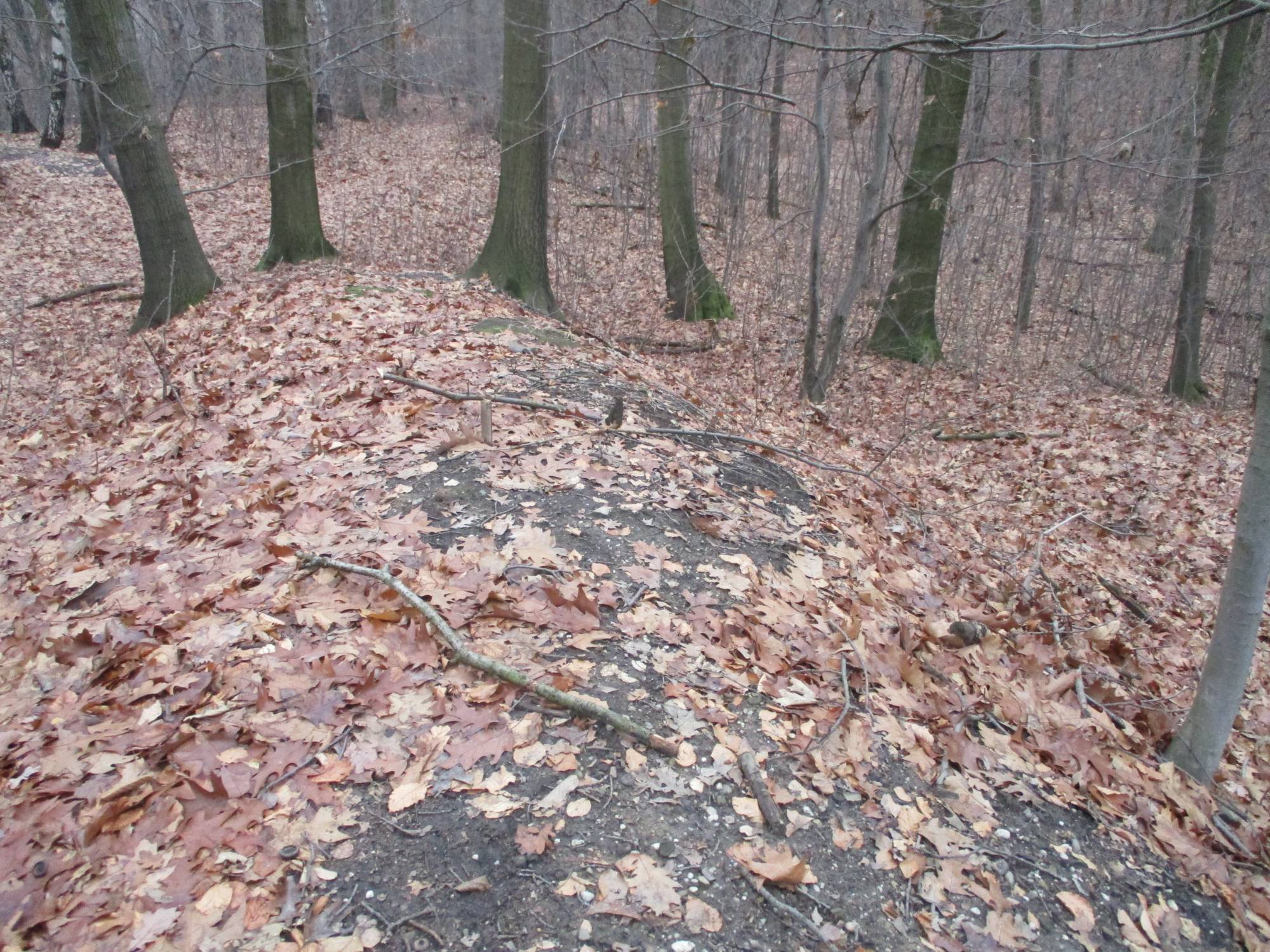

The Nysa Fortress is – next to Kłodzko and Srebrna Góra – one of the best-preserved fortification systems in all of Silesia. To this day, slightly more than half of the fortifications existing at the beginning of the 20th century have been preserved.
The first embankments and fortification buildings in Nysa were created in the 17th century. Only one object has survived from this period – St. Hedwig's Bastion. The largest fortification objects, including Fort Prussia, Lower Embankments, Water Fort, as well as Redoubts located on both sides of the Nysa Kłodzka river: Cardinal's and Capuchin, come from Prussian times. In the 1770s, the Jerusalem Embankments and High Embankments were erected. Finally, in subsequent decades, Fort I, II, and III and Railway Embankments were built, which were to constitute a defensive system for the erected station and railway lines.
At the end of the 19th century, its disarmament and adaptation of part of the buildings for military warehouses, prisons, and even a municipal gasworks began. During World War I, the fortress buildings became a prisoner-of-war camp, where, among others, Charles de Gaulle, the later president of France, was imprisoned. In the 1920s, the Nysa Fortress became a detention center for Silesian insurgents, and during World War II – a branch of the Gross-Rosen concentration camp.
The forts of the Nysa Fortress are best visited during the Nysa Fortress Day. Every year in the last week of July, occasional events take place on the fortification objects, and Napoleonic and Prussian soldiers march through the city. In St. Hedwig's Bastion, one can take part in a fortress festival, and in Fort II, a staging of the Battle for Nysa Fortress from 1807 is played out. In the evening, night maneuvers take place in Fort II, and in the Blue Bay, in Głębinów – a reconstruction of a sea battle.
Practical information:
The Nysa Fortress is – alongside Kłodzko and Srebrna Góra – one of the best-preserved fortification systems in all of Silesia. Today, slightly more than half of the fortifications existing at the beginning of the 20th century have survived.
The first embankments and fortification buildings in Nysa were built in the 17th century. From this period, only one structure has been preserved – the St. Hedwig Bastion. The largest fortification structures, including Fort Prussia, the Lower Fortifications, the Water Fort, as well as the Redoubts located on both sides of the Nysa Kłodzka river: the Cardinal's and the Capuchin, date back to Prussian times. In the 1770s, the Jerusalem Fortifications and the High Fortifications were erected. Finally, in the following decades, Fort I, II, and III were built, as well as the Railway Fortifications, which were supposed to be a defensive system for the erected railway station and railway lines.
At the end of the 19th century, its disarmament began, and some buildings were adapted into military warehouses, prisons, and even a municipal gasworks. During World War I, the fortress buildings became a prisoner-of-war camp, where, among others, Charles de Gaulle, the later president of France, was imprisoned. In the 1920s, the Nysa Fortress became a detention center for Silesian insurgents, and during World War II – a branch of the Gross-Rosen concentration camp.
The forts of the Nysa Fortress are best visited during the Nysa Fortress Days. Every year in the last week of July, special events take place at the fortification facilities, and Napoleonic and Prussian soldiers march through the city. In the St. Hedwig Bastion, you can take part in a fortress festival, and in Fort II, a reenactment of the Battle for the Nysa Fortress of 1807 is performed. In the evening, night maneuvers take place in Fort II, and in the Blue Bay (Błękitna Zatoka) in Głębinów – a reconstruction of a naval battle.