Polski
 Cesky
Cesky

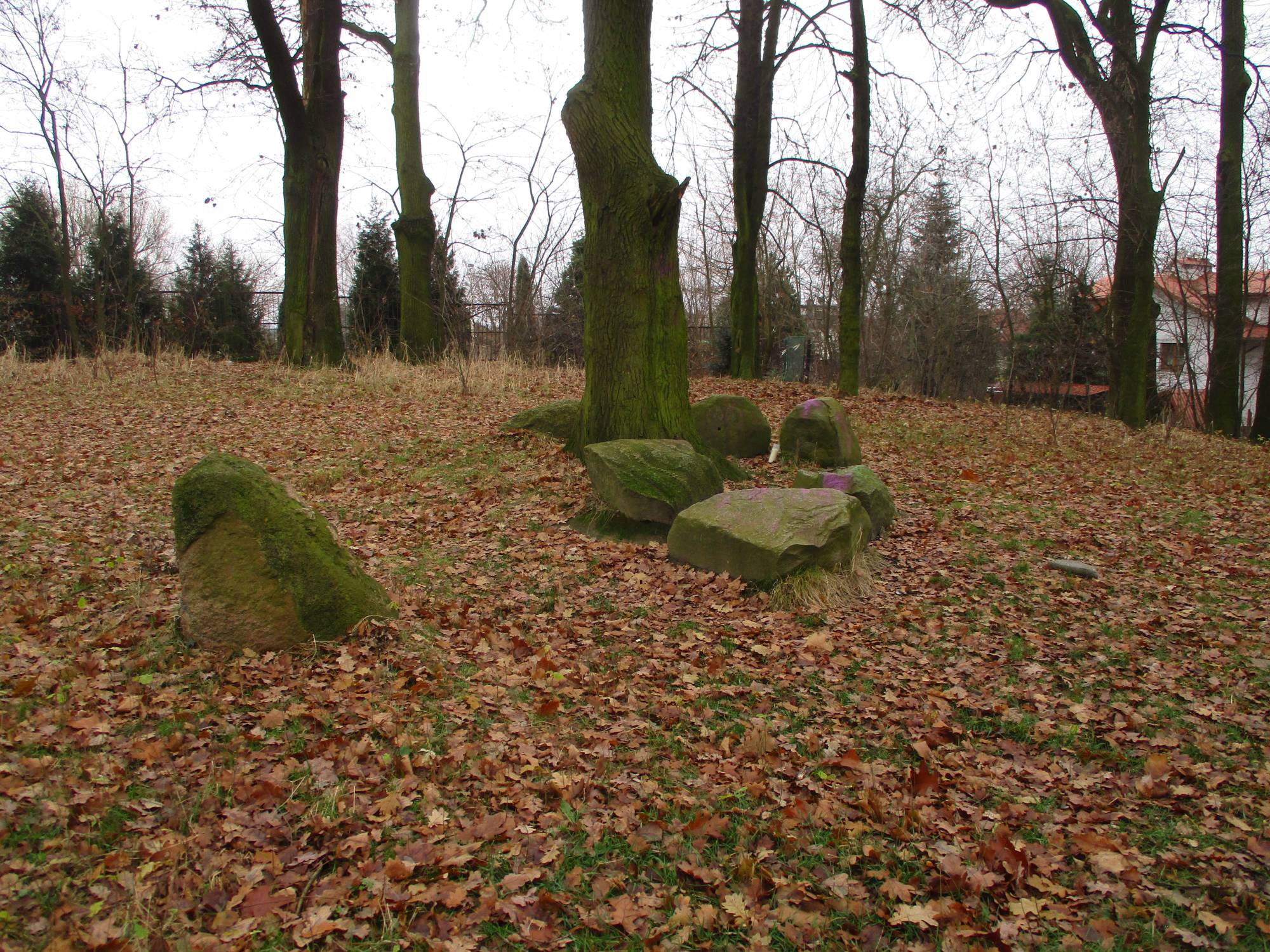
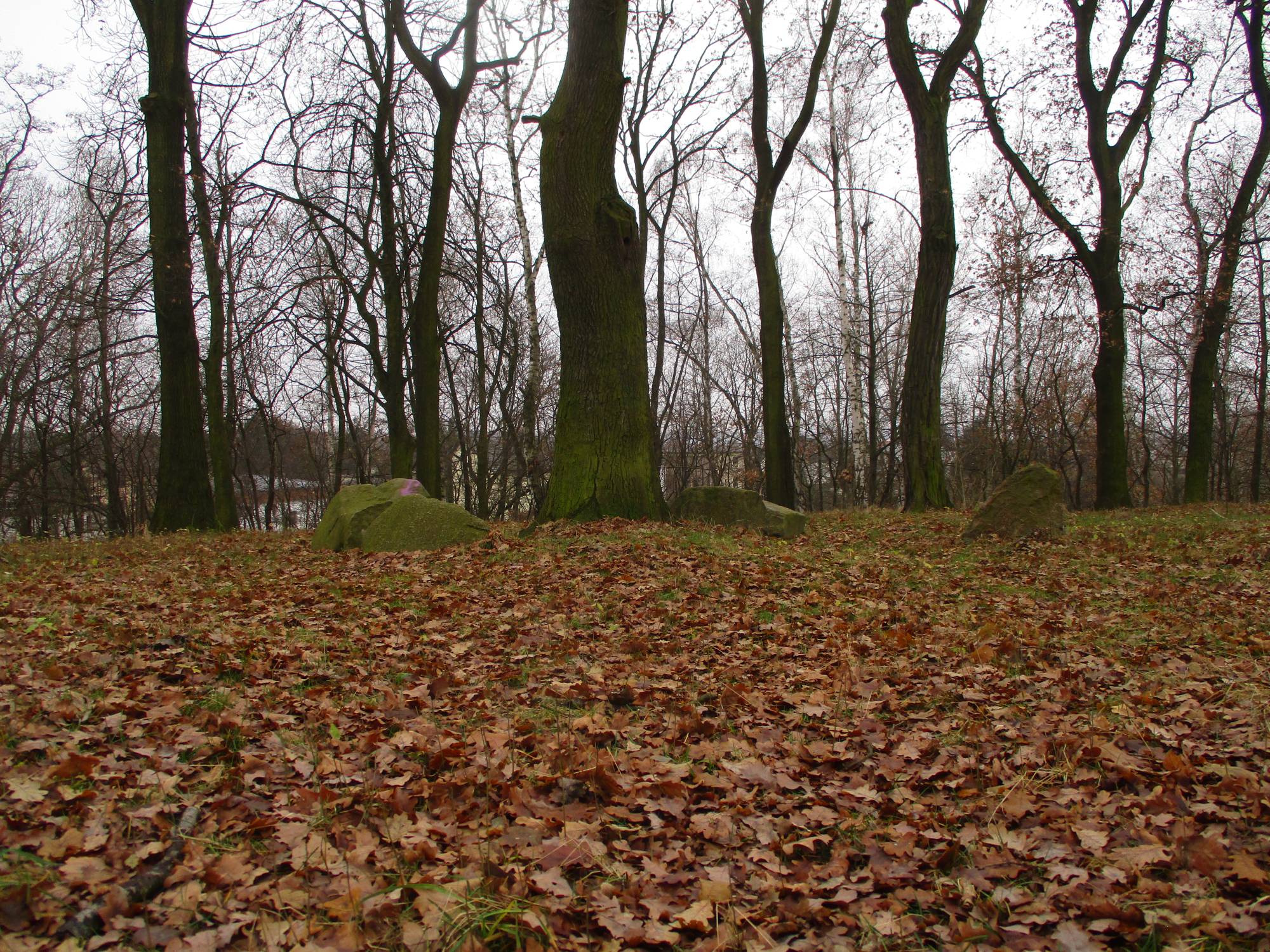

St. Hedwig's Bastion in Nysa is an example of 18th-century defensive architecture.
Originally, it was erected in the 17th century as an earthen structure, and after the capture of Nysa by Prussian troops in the second half of the 18th century, two-story casemates were built in the bastion. During the siege of the Nysa Fortress in 1807, the facility housed a gunpowder laboratory producing charges for cannons, and in the mid-19th century – barracks for sapper troops. During the war with France in 1870, the bastion served as a camp for French prisoners of war, and after World War II it was used as a place for craft workshops and warehouses.
From the historical equipment of the building, the original staircase, window woodwork, and cast-iron ventilation chimneys with a wrought-iron balustrade and 19th-century external doors have been preserved to this day. A tourist route leads through the historic corridors of the bastion, which is part of a longer trail leading through the old fortifications of the Nysa fortress.
Currently, a tourist information center, a souvenir shop, and a restaurant operate in the facility.
Concerts and dance performances are organized in the courtyard of the bastion, and exhibitions of painting and sculpture can be viewed inside.
Practical information:
Tourist Information Point St. Hedwig's Bastion in Nysa.
Open daily from 8:00 AM to 4:00 PM. Next to the Tourist Information Point, there is a museum chamber with exhibits about the fortress and a tourist route.
Free parking on Piastowska Street.