Polski
 Cesky
Cesky
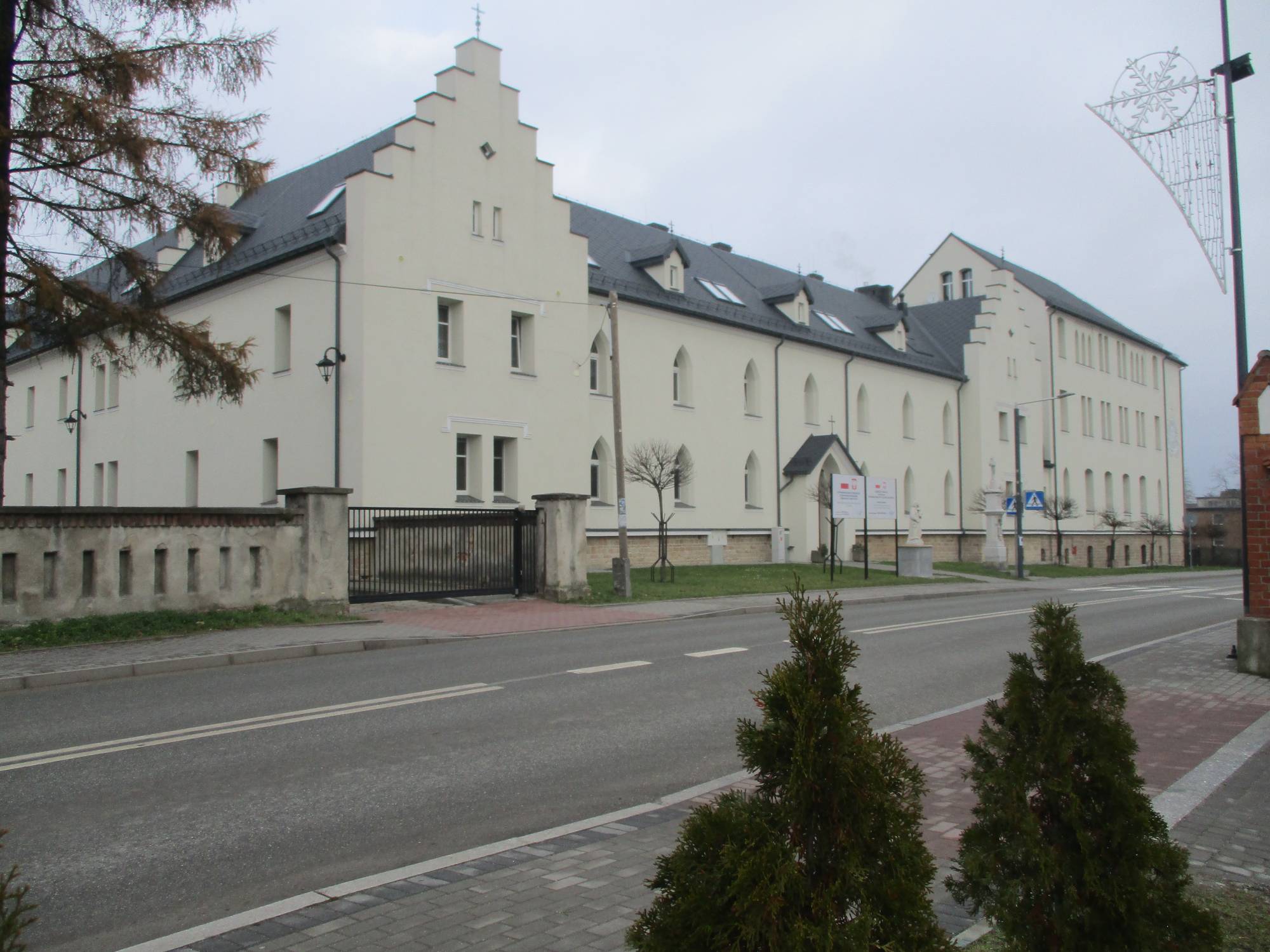
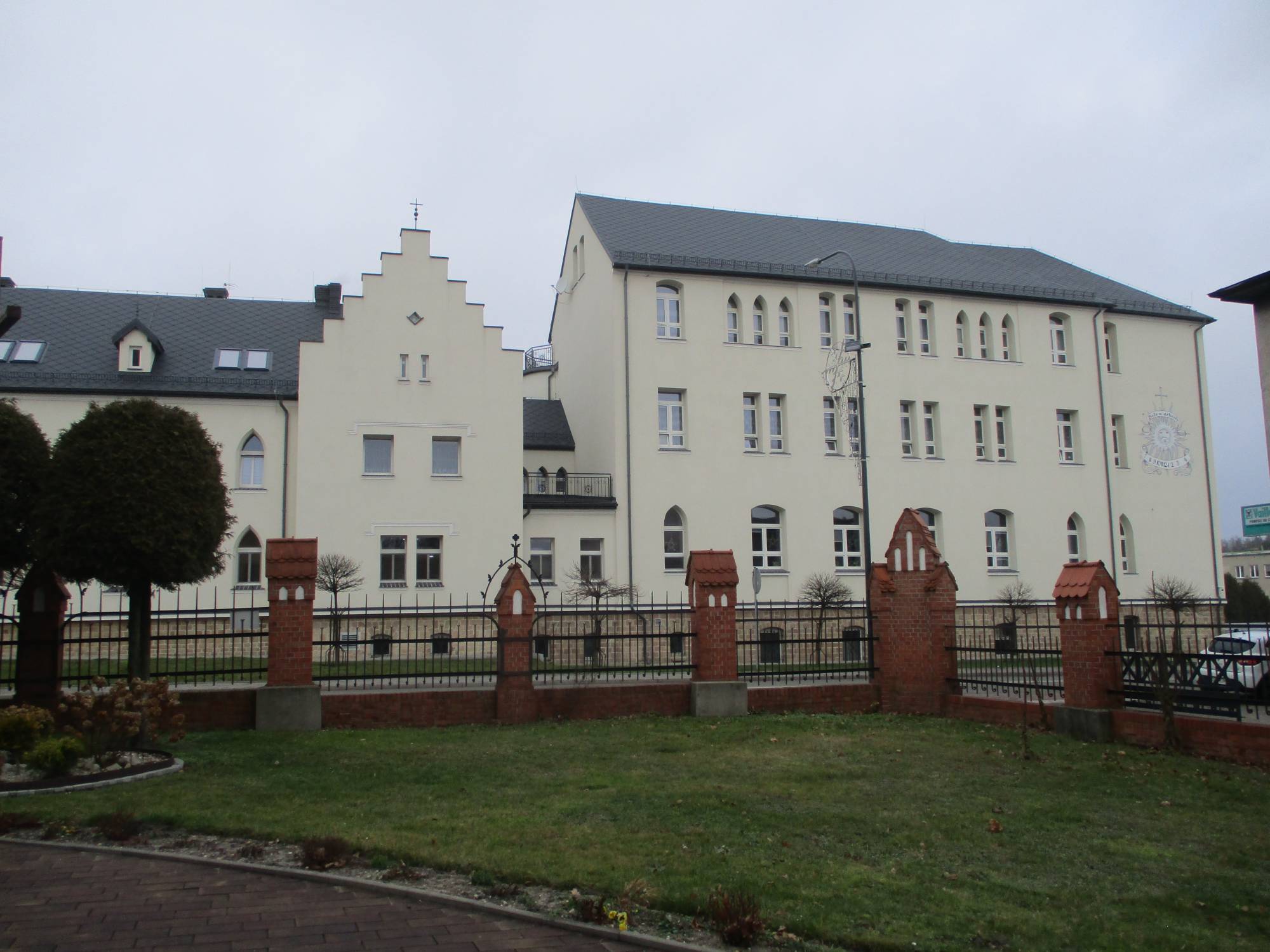
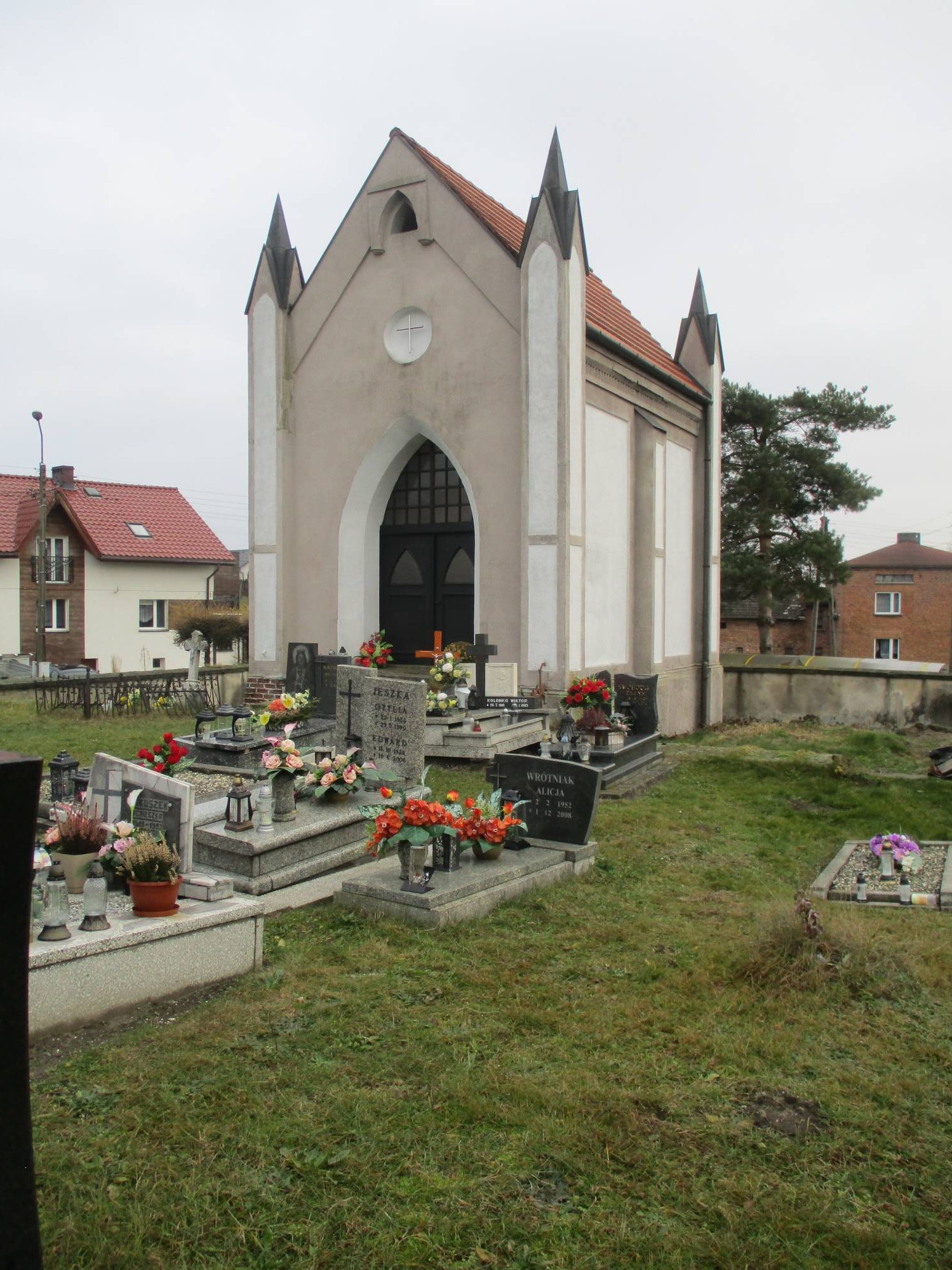

The Jewish cemetery in Opoleat Graniczna Street was founded in 1821 in the area of Nowa Wieś Królewska, outside the borders of the then city. Previously, Opole Jews buried their dead at the necropolis in Biała Prudnicka.
In 1870, in the eastern part of the necropolis, a pre-burial house was built with an adjacent residential part for the cemetery caretaker. In 1939, the cemetery passed into the administration of the Association of Jews in Germany. During World War II, the necropolis avoided major destruction. In the 1950s, looting of matzevot and devastation of part of the necropolis occurred. In 1963, the official closure of the cemetery took place. In the 1970s, a brick fence and an entrance gate from Graniczna Street were created.
To modern times, about 150 tombstones have been preserved on the cemetery, mainly with inscriptions in German, the oldest of which dates from 1821. Buried on it are, among others, rabbis, wealthy merchants, doctors, pharmacists, lawyers, and famous entrepreneurs from the region. Among the numerous tombstones, the Neo-Baroque monument of Max Friedlaender and his wife Lina, née Sachs, deserves distinction.
Practical information:
On a daily basis, the cemetery gate is closed.
Parking spaces on Graniczna Street.